Residential Termite Treatment for Your Home
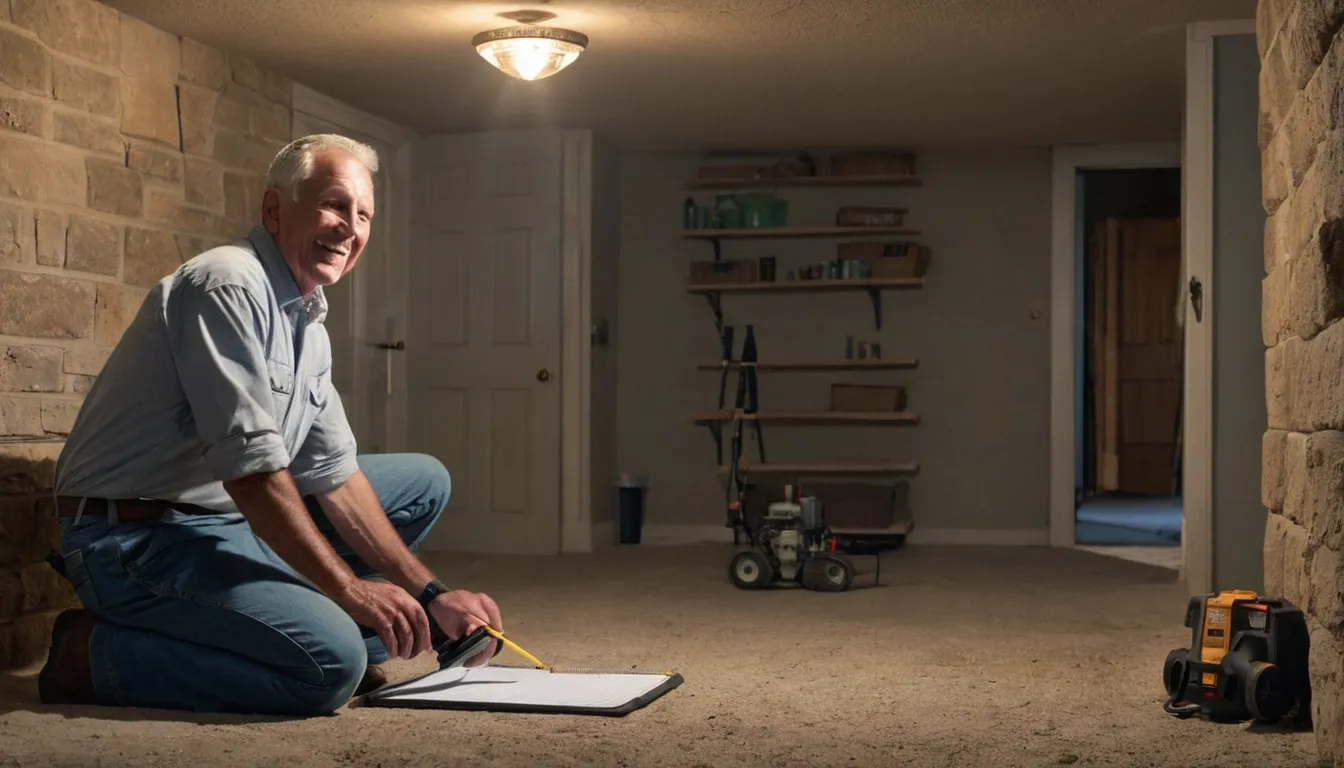
Termites feed quietly inside wood, so the damage can grow for months before anyone sees it. If you spotted mud tubes, winged insects, or soft wood, stop and read the safe steps below before you do anything else.
Globalmexico Pest Control is a referral service. It does not treat homes. It connects homeowners with independent local providers in its network who inspect, treat, and explain the plan in plain terms. Many providers can work around school runs and job schedules. This page covers warning signs, treatment types, typical costs, and the upkeep that helps keep termites from coming back after the work is done.
Think You Have Termites? Safe Steps First
Stay calm. Termites are a serious problem, but a few careful steps now can save you money and stress later.
Do This
- Take clear photos of what you see, with a coin for size.
- Note the room, the date, and whether you saw wings or mud.
- Keep any damaged wood in place so a provider can inspect it.
- Ask a provider for a full inspection and a written plan.
Do Not Do This
- Do not spray store-bought insecticide on the spot. It can scatter the colony.
- Do not tear out wood before an inspection.
- Do not mix chemicals or use them indoors without label directions.
- Do not assume the problem is gone because you see nothing for a week.
Request a callback to check provider availability and ask what a visit would involve.
Why Termites Need Prompt Attention
Termites eat wood from the inside. A beam can look solid while its core is hollow. Older homes with stone or block foundations and wood framing above are common targets, because small gaps let termites reach the wood.
Acting early usually means a smaller treatment and less repair. Waiting can mean a wider job and more disruption to your home.
Know the Warning Signs
Inside the House
- Wood that sounds hollow when tapped
- Paint that bubbles or looks water damaged
- Doors or windows that suddenly stick
- Tiny piles of wings near windowsills or lights
Around the Foundation
Look along basement walls, sill plates, and crawl spaces. Pencil-width mud tubes running up concrete or stone are a classic sign. Check wood that touches soil, such as old porch posts or stair stringers.
Look-Alikes That Are Not Termites
Flying ants also swarm in spring and look similar. Termites have straight antennae, a thick waist, and wings of equal length. If you are unsure, save a few insects in a jar and show the provider.
Types of Termites Homeowners Meet
Subterranean Termites
These are the most common type in cold climates. They live in soil and travel through mud tubes. Snowmelt and freeze-thaw cycles can shift soil and open new paths to a foundation.
Drywood and Dampwood Termites
Drywood termites live inside dry wood and leave tiny pellets. Dampwood termites prefer wet, rotting wood. Both are less common in cold regions, but they do turn up. A provider can identify which one you have, and that decides the treatment.
How Termite Treatment Works
Inspection Comes First
A provider checks the foundation, basement, attic, and any wood touching soil. Expect a written report that shows where activity is and how far it reaches.
Liquid Barriers and Bait Systems
Two common choices exist for ground termites. A liquid treatment creates a protective zone in the soil around the home. Bait stations sit in the ground and are checked over time. Some homes use both. Ask the provider why they picked one approach and how long it should last.
Spot and Wood Treatments
Small, local problems may need only targeted treatment of the affected wood. Larger drywood problems may call for whole-structure methods, which need more planning.
Planning Around Your Week
Before you book, ask about prep, such as clearing basement walls or moving storage. Ask whether kids and pets need to stay out for a time. Many providers will schedule around work and school so the job fits your week.
Termite Inspections for Home Sales
Buyers and lenders often ask for a termite inspection report. If you are selling, an inspection before listing lets you deal with findings on your own timeline. If you are buying, the report can show whether treatment or repair belongs in the negotiation. Keep the written report and any treatment records. They are useful paperwork later.
Choosing a Termite Provider
A good provider explains things clearly and puts them in writing. Use this short checklist:
- Ask for a written quote that names the method and the area covered.
- Ask what products are used and what safety steps apply to your household.
- Ask what the warranty or follow-up plan covers, and for how long.
- Confirm the provider holds the licenses your state requires.
- Compare two quotes if the job is large.
Be careful with anyone who pushes you to sign on the spot or will not put details on paper.
After Treatment: Fix It, Then Prevent
Treatment stops the active problem. Prevention keeps it from returning. Plan for repair of damaged wood, then build a simple routine. Some policies may cover sudden damage, so check your policy, and providers can often help document damage for a claim.
A Simple Upkeep List
- Keep soil and mulch several inches below wood siding.
- Fix leaky pipes, gutters, and downspouts.
- Stack firewood away from the house and off the ground.
- Ventilate basements and crawl spaces to cut dampness.
- Schedule a yearly inspection, especially after wet springs.
Ready to Take the Next Step?
You do not need to figure this out alone. Ask for an estimate, compare your options, and pick a provider who explains the plan clearly.
What's Included
Full Inspection
A provider checks the foundation, basement, and attic, then explains what was found and where.
Written Plan
Get the method, area covered, and follow-up steps in writing before work begins.
Targeted Treatment
Soil barriers, bait systems, or spot work, chosen to match the type of termite.
Follow-Up Visits
Many providers check bait stations or treated areas later to confirm termites are gone.
Typical Termite Treatment Costs
Prices vary by home size, termite type, and how far the activity has spread. These are typical U.S. ranges only. Always get a written quote before agreeing to work.
| Service | Typical range | Notes |
|---|---|---|
| Termite inspection | $75 – $300 | Some providers bundle it with treatment |
| Liquid soil treatment | $1,200 – $3,500 | Depends on foundation length and access |
| Bait station system | $1,500 – $3,500 | Often includes monitoring visits |
| Spot wood treatment | $250 – $900 | For small, local problems |
| Whole-structure treatment | $1,500 – $5,000 | Used for some drywood problems |
| Annual renewal or monitoring | $200 – $800 | Varies by plan and home size |
How It Works
Safe Steps First
Photograph signs, leave damaged wood alone, and skip store-bought sprays until a provider inspects.
Request Contact
Request a callback or use the form, and a provider in the network reaches out.
Inspect and Plan
The provider inspects, explains findings, and gives a written plan and quote.
Treat and Prevent
Treatment is scheduled around your week, then upkeep tips help prevent a repeat.
Why Call Globalmexico Pest Control
Safety Comes First
Providers explain products, prep, and re-entry steps so your family stays safe during treatment.
Low Disruption
Many providers plan visits around school and work, so treatment fits into your week.
Clear Plans
Expect a written scope and quote, so you know what is covered before you agree.
Prevention Included
Good providers also share upkeep tips that help stop termites returning.
Other Services
Need residential termite treatment in Tinton Falls?
Tell us what you are seeing and when you are home to meet someone. We pass your request to a local provider in our network. Request an estimate with no obligation.
No obligationResidential Termite Treatment FAQ
How do I know if I have termites or flying ants?
Termites have straight antennae, a thick waist, and wings of equal length. Flying ants have bent antennae, a pinched waist, and uneven wings. Save a sample and photos so a provider can confirm.
Can I treat termites myself with store-bought products?
Do-it-yourself sprays rarely reach the whole colony and can push termites to new areas of the home. A licensed provider can find the source, choose the right method, and follow label safety rules for your household.
Is it safe to stay home during termite treatment?
Often yes, but it depends on the method and products. Ask the provider about prep, re-entry times, and care for kids and pets before the visit, and follow their written directions.
Tell us what happened
Tell us what you are seeing and when you are home to meet someone. We pass your request to a local provider in our network. Request an estimate with no obligation.
No obligation